Certain conditions can affect an individual’s ability to conceive or carry a pregnancy, as well as reducing overall quality of life. Fertility-related surgical procedures may aid diagnosis and treatment of some of these conditions, and may also increase the success of assisted reproduction if needed.
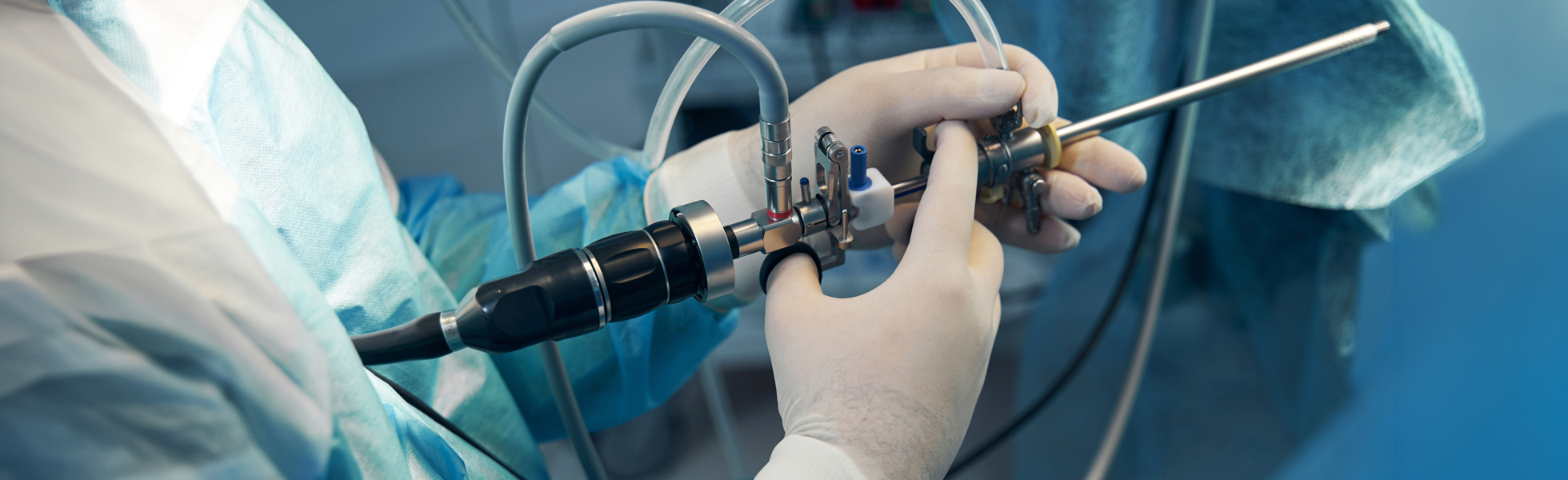
Fertility surgery refers to a group of procedures that may help diagnose and/or manage conditions of the reproductive system that are hindering your chances of successful conception and pregnancy.
Undergoing fertility surgery may support conception and a healthy pregnancy by helping to assess reproductive anatomy and treating any abnormalities identified as problematic. In some cases, the goal of fertility surgery may be to enable you to conceive naturally. For others, surgery may be necessary to improve the likelihood of success of a fertility treatment such as IVF.
Fertility surgery is only recommended after a comprehensive review of your situation and consideration of the expected risks and benefits of surgical treatment. In many cases, surgery is suggested after more conservative treatments have been unsuccessful. In other situations, surgery may be the first-line treatment.
In all cases, Dr Parmar will ensure you are involved in the decision-making process before proceeding, detailing the advantages of surgical treatment, risks and potential complications, and the expected recovery.
The type of fertility surgery treatment recommended will depend on the reproductive condition identified, your medical history, goals, and the results of fertility assessments. It may be recommended for conditions such as:
Also known as keyhole surgery, laparoscopy involves a long, thin tube with a light and camera at the end (the laparoscope) inserted through tiny incisions to diagnose and treat a range of conditions including endometriosis, tubal disease, pelvic scar tissue, ovarian cysts, and fibroids. As a minimally invasive procedure, laparoscopy comes with the advantages of smaller scars, lower rates of post-operative complications, and faster recovery times compared to open surgery.
Endometriosis is a common condition where tissue similar to the uterine lining grows outside of the uterus in other parts of the body. While symptoms can be highly variable between individuals, endometriosis may cause infertility. For women affected by this condition and hoping to conceive, endometriosis often requires surgical removal.
Endometriosis surgery is most often performed laparoscopically. The laparoscope enables a direct view of abnormal endometriotic tissue growth throughout the pelvis. At the same time as making a definitive diagnosis, laparoscopy allows Dr Parmar to surgically remove these deposits as well as separate adhesions and scarring that may have developed due to the associated inflammation.
A hysteroscopy is a minimally invasive procedure used to view inside the uterus to investigate issues such as heavy or irregular periods, abnormal bleeding, polyps, fibroids, and difficulties getting pregnant. The hysteroscope is a long tube inserted via the cervix; no incisions are needed. Sometimes, a biopsy may be taken via hysteroscopy for laboratory analysis. In addition to aiding diagnosis of various uterine conditions, hysteroscopy can also be used for treatment, such as the removal of polyps or fibroids.
The surgical removal of uterine fibroids is known as myomectomy. Fibroids are benign (non-cancerous growths) in the muscular wall of the uterus. Not all fibroids will have an impact on fertility, with many women being asymptomatic and unaware they have fibroids. In other cases, uterine fibroids may cause pelvic pain, painful intercourse, bowel and bladder issues, abnormally heavy or painful periods, and infertility. Surgery for fibroids can be accomplished with laparoscopy, hysteroscopy, or, for very large fibroids, through open surgery (laparotomy).
Surgical sperm retrieval is a microsurgical technique used to address azoospermia, a fertility condition in men involving an absence of sperm in the semen. Through keyhole incisions, sperm-rich tissue is surgically extracted directly from the testicles. This sperm can then be used in assisted reproductive technologies such as ICSI.
Although tubal ligation (clipping or tying the fallopian tubes in women) and vasectomy (cutting the vas deferens tubes in men) are intended as forms of permanent contraception, it may still be possible have more children if you change your mind. Dr Parmar will discuss your options in these situations, which may involve microsurgery, assisted reproduction, or other fertility treatments.
