Endometriosis is a chronic gynaecological condition. It is extremely common, affecting at least one in seven females in Australia.1 The symptoms of endometriosis can be severe, including painful periods and fertility challenges.

Endometriosis is most common in women of childbearing age, with the highest prevalence among those over the age of 30 who have never had children. Unfortunately, despite the condition being so common, the average delay to diagnosis in Australia is 6-8 years.
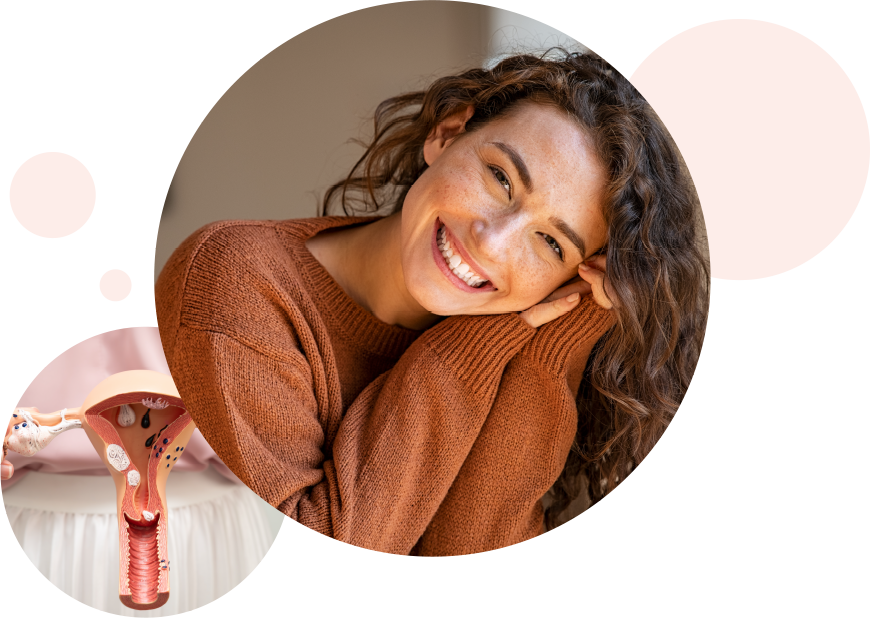
Endometriosis is characterised by the abnormal growth of endometrial cells, normally found only in the inner lining of your uterus, developing outside the uterus. These growths are commonly called lesions or endometrial implants, and can react to the same hormones that regulate your menstrual cycle. Endometriotic lesions are most often found around the ovaries, fallopian tubes, or behind the uterus, but can develop around other pelvic and abdominal structures including the bowel.
With your monthly menstrual cycle, over time these lesions may cause inflammation, scarring, pain, and infertility.
Endometriosis may be influenced by genetic and immune factors, though the exact cause is still unknown. A common theory is that during menstruation, the tissue shed from your uterus flows back along the fallopian tubes, instead of out through the vagina. This tissue then attaches itself to the pelvis, and then goes through the same cycle as it would in the uterus, bleeding at the same time you have your period.
This process is known as retrograde menstruation, and it actually happens in almost all women. The difference for women without endometriosis is that the tissue is absorbed and broken down, but for women with endometriosis, the tissue attaches itself and starts to grow, which can cause scarring and pain in the pelvis. It can also lead to a tubal blockage.
High levels of the oestrogen hormone involved in the menstrual cycle for some women may promote the development of endometriosis.
Not all women living with endometriosis may notice symptoms. For those who do have endometriosis symptoms, experiences can vary widely, contributing to the significant delay in an accurate diagnosis.
The most commonly reported symptoms of endometriosis include:
Although infertility is often associated with endometriosis, it is possible for women with endometriosis to fall pregnant without any problems.
Coming under the care of a gynaecologist if you are experiencing endometriosis symptoms can provide an accurate diagnosis, enabling timely intervention to alleviate your symptoms and restore your quality of life.
Diagnosis of endometriosis may be made through:
Currently, there is no definitive cure for endometriosis. The aim of endometriosis treatment is to manage symptoms such as pain and infertility, improving your comfort and quality of life. For most people, treatments may reduce symptoms by 50-70%.1 Unfortunately, endometriosis can recur after treatment, underscoring the importance of ongoing gynaecologist care.
Laparoscopic surgery is the most common method of treating endometriosis in the advanced stages and for women hoping to conceive. A long, lighted tube is inserted through keyhole incisions in your abdomen to look for areas of endometriosis. Other surgical tools can also be passed through these incisions to remove endometriosis lesions and treat areas of scarring and adhesion. Laparoscopy is typically performed as a day procedure under general anaesthesia.
Often, patients conceive naturally after surgery. However laparoscopy may also increase your chances of success with other fertility treatments if you need them, such as IVF.
Not all individuals with endometriosis will require surgery to relieve symptoms. For some, simple pain relief is enough to get you back to feeling yourself.
Non-surgical treatment options for endometriosis include:
Treatment may involve a combination of these options, depending on a careful evaluation of your health, specific endometriosis presentation, medical history, and fertility goals. As many of these options also act as a form of contraception, they will not be suitable if you are actively trying to grow your family.
Scarring and lesions from endometriosis can lead to chronic inflammation, changes in ovarian function, and block the fallopian tubes, all of which can negatively impact fertility.
According to Endometriosis Australia, 50% of those living with endometriosis are challenged with infertility.2 However, many with endometriosis can and do conceive naturally. Other women may benefit from assisted reproductive technologies such as IVF to help fall pregnant.
As endometriosis can worsen as time goes by, it’s important to get prompt diagnosis for endometriosis to protect your fertility prospects.