Fertility Ovulation induction

For those who do not ovulate regularly or consistently, this unpredictability can make it harder to conceive. Fertility treatment through ovulation induction can improve your chances of conception by regulating your cycles.
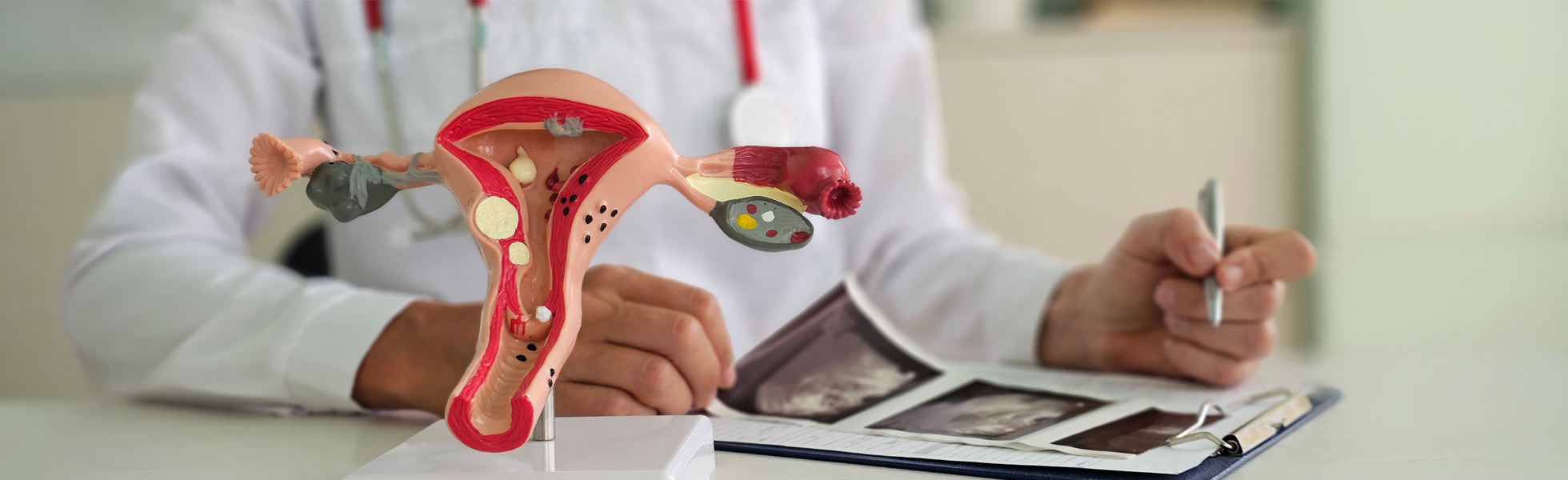
Ovulation induction

What is ovulation induction treatment?

Ovulation induction treatment is an option for women who have irregular periods or no periods. Without the regular release of an egg during each monthly cycle, there is a more limited opportunity for sperm to fertilise the egg for conception. 

Ovulation induction involves hormone-based medications, such as follicle-stimulating hormone (FSH) injections, to induce normal follicle development and regular ovulation. This helps regulate egg maturation and release from the ovaries.

It can be a suitable, minimally invasive option that may help you conceive naturally, before considering more intensive treatments such as IVF.

This approach to fertility treatment may be helpful for women who are experiencing:

  • Irregular or absent menstrual cycles
  • Ovulatory disorders or conditions such as polyendocrine metabolic syndrome (PMOS, previously known as polycystic ovary syndrome or PCOS)
  • Unexplained infertility despite regular menstrual cycles

How does ovulation induction work?

Fertility assessment 

Dr Parmar will thoroughly assess your health, medical history, and menstrual cycle, conduct relevant fertility tests, and discuss your fertility goals. She will then develop a personalised plan and clearly communicate each step of the process to you.

Monitoring

The progress of your ovaries will be monitored through regular blood tests and ultrasounds. Your medications may be adjusted based on these results to ensure both the effectiveness and safety of your treatment.

Guidance on timed conception

Once your ovulation day has been identified, you may try to conceive with timed intercourse or undergo intrauterine insemination (IUI).

Find out more about IUI

Fertility medication 

Ovulation induction medications can be administered either via injection or with oral medications.

  • Oral medications include clomiphene citrate and letrozole, which encourages the development of ovarian follicles through either blocking oestrogen receptors or decreasing oestrogen levels, and subsequently increasing follicle-stimulating hormone (FSH) production
  • FSH injections act directly on your ovaries to stimulate the development of one or more ovarian follicles, increasing the number of eggs available during each ovulation cycle 
  • Human chorionic gonadotropin hormone injections are infrequently prescribed as an additional medication to trigger release of the egg from the follicle in women who do not naturally ovulate

Success rates with ovulation induction 

Treatment with the right medication is typically successful at inducing ovulation. However, your overall health and other fertility factors will also influence your likelihood of falling pregnant with each treatment cycle. 

Ovulation induction success rates are difficult to determine accurately, as some women fall pregnant naturally while on treatment. In general, you can expect a 15-25% likelihood of conception with each cycle for women aged under 35 years.1 This success rate gradually decreases with age and will also be lower if there are other factors contributing to your fertility challenges.

IVF in vitro fertilisation treatment process – Dr Chandrika Parmar

Frequently Asked Questions

Ovulation induction treatment involves inducing ovulation through oral medication or hormone injections, so that eggs can be released for fertilisation within the body through timed intercourse or IUI. Conversely, IVF involves the collection of eggs to fertilise with sperm externally in a laboratory, develop into an embryo, and then transfer into your uterus for pregnancy.

Common side effects associated with ovulation induction medications are temporary and can include hot flushes, headaches, fluid retention, and sore breasts. These symptoms can vary from individual to individual.

FSH injections (and sometimes clomiphene therapy) may cause the development of multiple follicles, leading to a higher risk of a multiple pregnancy. 

Dr Parmar will discuss the risks of treatment with you and perform regular ultrasounds to monitor your progress and minimise the risks.

Pregnancy is not guaranteed with any fertility treatment, as this can depend on factors such as age, response to the fertility medication, and the underlying fertility issue. Women aged 35 years and under typically experience higher success rates with ovulation induction when compared to older women, with success rates of 15-25% per cycle.1 These rates are quite close to the likelihood of conception each month for couples with normal fertility. The likelihood of success with ovulation induction decreases with age, along with the decline in natural fertility, with women aged 40 and over having a 5% chance of pregnancy per induction cycle.1

Dr Parmar can discuss the factors that may impact your success so you can have a more accurate understanding based on your individual circumstances.

While a healthy, nutritionally balanced diet, weight management, and other lifestyle factors may aid regular ovulation, if irregular ovulation persists or your periods are absent, you may need to look into options with a fertility specialist. Options for inducing ovulation at a fertility clinic include medications, commonly clomiphene citrate (Clomid) or letrozole (Femara), and follicle-stimulating hormone (FSH) injections, which can stimulate the ovarian follicles to develop and release eggs. 

These treatments are prescribed by a fertility specialist and followed by close monitoring with blood tests and ultrasound, to help you time intercourse during the fertility window or artificial insemination for optimal chances of success. 

Thinking about treatment with ovulation induction?

No matter where you are in your fertility journey, Dr Parmar is here to help. From infertility to solo parenthood to fertility support for the LGBTQIA+ community, if you need help growing your family, contact Dr Parmar’s rooms today.

Book Appointment   Call 1800 727 627